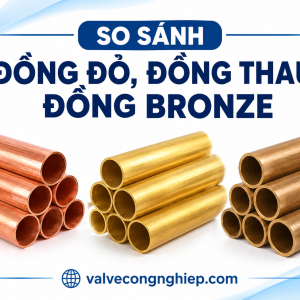
How are copper, brass and bronze different?
In the mechanical and industrial industries, copper, brass and Bronze are commonly used materials thanks to their ability to conduct electricity, heat, resist corrosion and work well. However, each type has its own alloy composition, mechanical properties and application range. Sohow are red copper, brass and bronze different, what is the suitable material for each system? Let’s find out the details with Van Tan Thanh in the article below.
Overview of copper, brass and Bronze
Before comparing, it is necessary to accurately distinguish the English and Vietnamese names of these three groups of materials. This is an important point because in reality, the terms are often confused, especially between copper and Bronze.
What is Copper?
Red copper, in English Copper, is a highly pure metal, often with a characteristic orange-red color. This is a material that has very good electrical and thermal conductivity, and is highly flexible, easy to laminate, spin and process into many different shapes.
Red copper has relatively good corrosion resistance in many common environments. Thanks to these properties, Copper is widely used in electricity, electronics, heat exchange equipment, pipes and mechanical parts.
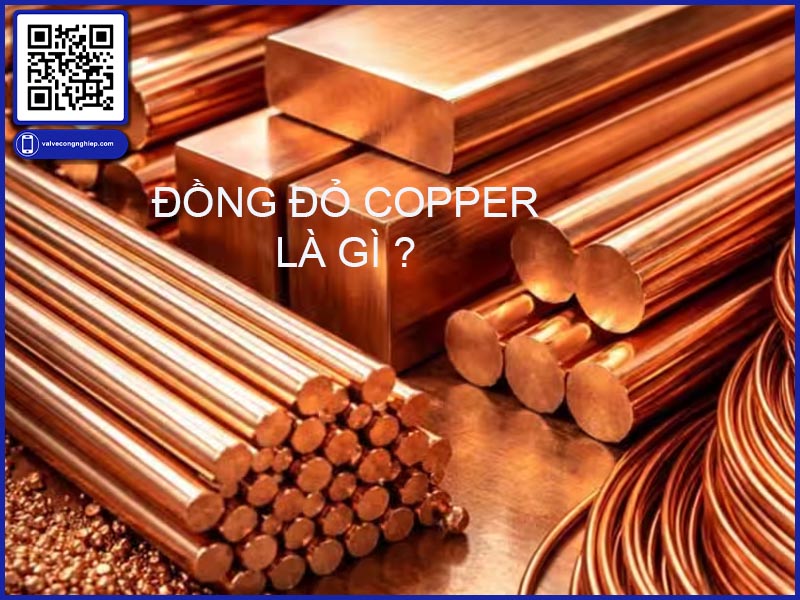
Some outstanding features of red copper:
- Mainly composed of pure Cu high.
- Orange red or brownish red color.
- Good electrical and thermal conductivity.
- Highly ductile, easy to bend and shape.
- Good corrosion resistance in many environments.
- Hardness and mechanical strength are often lower than many copper alloys.
Brass is What?
Brass, in English Brass, is an alloy made mainly of copper (Cu) and zinc (Zn). The proportion of zinc in the ingredients can vary depending on the material grade and purpose of use, thereby affecting color, hardness, durability and machinability.
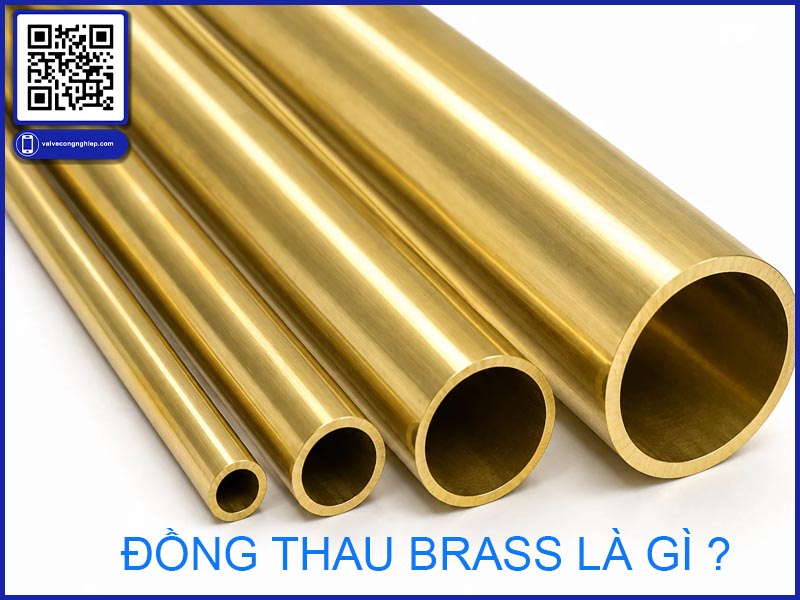
Brass often has a characteristic yellow color, so it is also called golden bronze. Compared to red copper, Brass often has better hardness and mechanical machinability. This material also has quite good corrosion resistance under many normal usage conditions.
Some outstanding characteristics of brass:
- Main components include copper (Cu) and zinc (Zn).
- Metallic yellow color, can change according to the alloy ratio.
- Hardness and mechanical strength are usually higher than red copper.
- Easy to process, turning, milling and shaping.
- Good corrosion resistance in many environments.
- The ability to conduct electricity and heat is lower than copper.
Brass is commonly used in the production of pipe fittings, connectors, sanitary equipment, mechanical components and copper valves.
Bronze is What?
Bronze is often translated as bronze or bronze. This is a group of alloys based on copper (Cu), in which tin (Sn) is a common alloying element. However, Bronze is not limited to copper-tin alloys but also includes many other copper alloy lines, such as aluminum Bronze, silicon Bronze and some other specialized types of Bronze.
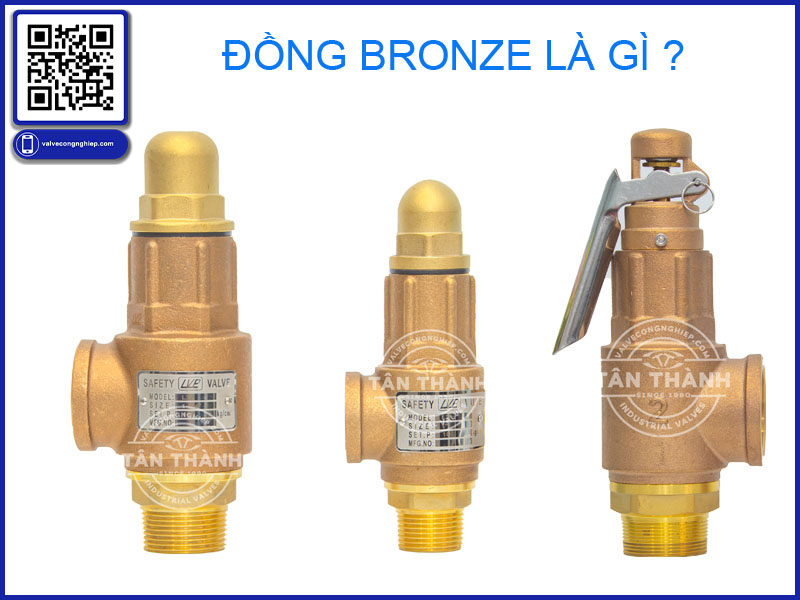
The addition of alloy elements helps Bronze achieve different mechanical properties, such as increased hardness and resistance. abrasion, corrosion resistance or working in special environments.
Some outstanding features of Bronze:
- The base component is copper (Cu), combined with tin or other alloy elements.
- The color is usually red-brown, yellow-brown or copper-yellow depending on the composition.
- Many Bronze marks have good durability and abrasion resistance.
- Good corrosion resistance in many conditions. environment.
- Some types are capable of working well in seawater environments.
- Used in bearings, gears, machine parts, accessories and industrial equipment.
In the industrial valve industry, Bronze is a notable material thanks to its corrosion resistance and mechanical properties suitable for many applications. However, it is necessary to choose the right alloy grade instead of considering all types of Bronze to have the same properties.
Distinguishing Copper, Brass and Bronze through chemical composition
The most basic difference between the three materials lies in the composition.
| Criteria | Copper | Brass | Bronze |
|---|---|---|---|
| Vietnamese name | Red copper | Brass, golden bronze | Bronze, bronze tin |
| Main ingredient | High purity Cu | Cu + Zn | Cu + Sn or other alloying element |
| Common color | Orange red | Metallic yellow | Red brown, yellow brown |
| Special outstanding properties | Good electrical and thermal conductivity | Easy to process, good hardness | Abrasion resistance, good corrosion resistance in many grades |
| Applications | Electrical wires, heat exchangers | Connectors, accessories, copper valves | Bearings, gears, machine parts, van |
It should be noted that the specific composition of each material depends on the standards and alloy grades. Therefore, when choosing materials for industrial equipment, you should not just rely on the name Copper, Brass or Bronze, but need to check the correct material level in the technical documents.
Compare the properties of red copper, brass and Bronze
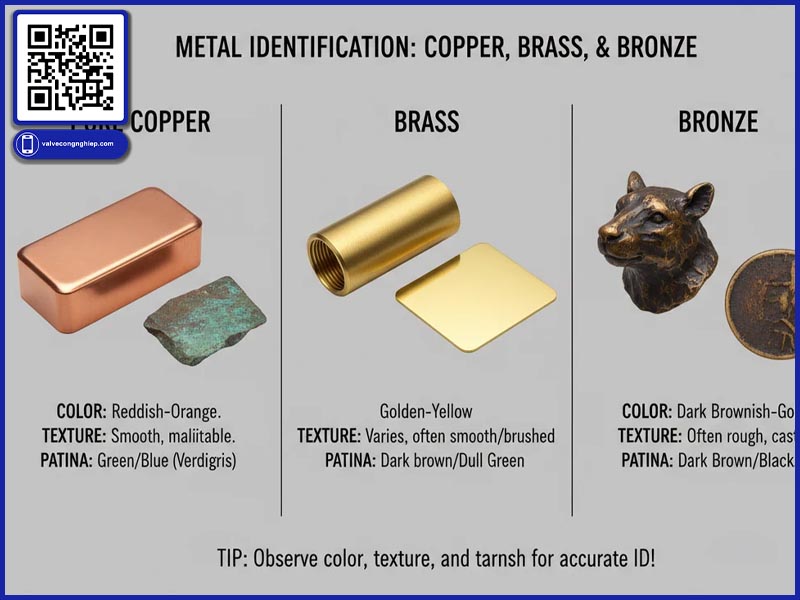
Differences in color
Color is the most recognizable feature when observing the three materials.
- Copper: Has a characteristic orange-red or brown-red color.
- Brass: Has a metallic yellow color, often called golden bronze.
- Bronze: Has a reddish-brown, yellow-brown or dark copper color depending on the composition.
However, color is only for preliminary identification. In reality, the surface of the material may change due to oxidation, surface treatment or storage conditions. You should not accurately determine the grade of material just by observing the color.
Differences in hardness and durability
Red copper has high ductility, is easy to bend and shape, but usually has a lower hardness than many types of copper alloys.
Brass can achieve good hardness and mechanical strength thanks to the addition of zinc. This is why Brass is often used to make parts that require precision machining, accessories and equipment that require mechanical durability.
Bronze has many types with different characteristics. Some types of bronze have good wear and load resistance, suitable for bearings, gears and moving parts. Aluminum Bronze can also achieve high durability and good corrosion resistance in suitable environments.
Differences in electrical and thermal conductivity
Copper has very good electrical and thermal conductivity, superior to most common copper alloys. Therefore, red copper is often preferred in electrical conductors, busbars, coils and heat exchangers.
Brass and Bronze have lower electrical and thermal conductivity than Copper due to the addition of alloying elements. However, they have their own advantages in terms of durability, machinability and abrasion resistance.
Different in corrosion resistance
All three groups of materials are resistant to corrosion under certain conditions, but the level of suitability depends on the environment and alloy grade.
- Copper: Has good corrosion resistance in many common environments, often used in electrical systems and heat exchangers.
- Brass: Has quite good corrosion resistance, but some types of brass can experience dezincification in water environments and inappropriate use conditions.
- Bronze: Many types of Bronze are resistant to good corrosion and abrasion resistance. Some special marks are used in seawater environments or industrial environments with higher requirements.
For pipeline systems and industrial valves, it is necessary to consider the fluid composition, temperature, pressure, flow rate and material standards before choosing.
What are the popular types of Bronze?
Bronze is a broad alloy group, so distinguishing between material lines will help users better understand the range of applications.
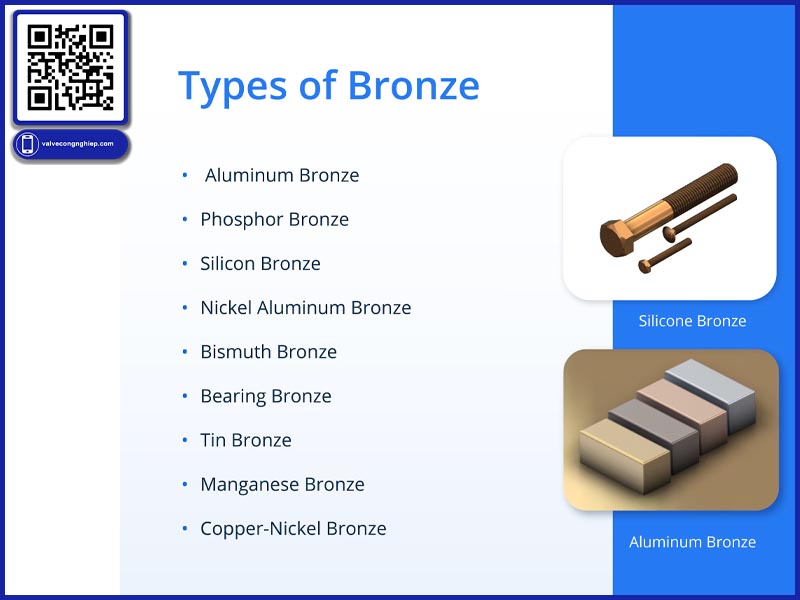
Tin Bronze – Tin Bronze
Tin Bronze is a copper-tin alloy, in which tin is added to improve hardness, durability and wear resistance.
This material is often used in:
- Bearings and plain bearings.
- Gears and transmission parts movement.
- Machine parts subject to friction.
- Some types of accessories and industrial equipment.
Aluminium Bronze – Aluminum bronze
Aluminium Bronze is a copper-aluminum alloy, which can add iron, nickel or other elements depending on the material grade.
Notable features of this line are high mechanical strength and good corrosion resistance in many environments, especially some applications related to sea water.
Aluminium Bronze is often used in:
- Marine equipment.
- Marine propellers.
- Industrial pumps and accessories.
- Valves and machine parts working in environments suitable corrosion field.
Silicon Bronze – Silicon Bronze
Silicon Bronze is a copper alloy with added silicon, sometimes combined with other elements. This material has good corrosion resistance, durability suitable for many applications and relatively favorable machining and welding capabilities at appropriate grades.
Common applications include:
- Mechanical details.
- Marine equipment.
- Accessories and connectors.
- Some applications in construction and industry.
How are copper, brass and bronze used?
Each material has its own advantages, so the scope of application is also different.
Applications of copper
Thanks to its high electrical and thermal conductivity, Copper is often used in:
- Electrical wires and cables.
- Conductor bars in electrical cabinets.
- Transformer and motor windings.
- Copper pipes in air conditioning systems.
- Heat exchange equipment.
- Some pipe details and accessories.
Applications of brass (Brass)
Brass has good machinability, suitable hardness and high aesthetics, so it is widely used in:
- Bronze gate valves.
- Bronze ball valves.
- Bronze globe valves.
- Bronze one-way valves.
- Bronze safety valves.
- Connectors and pipe accessories.
- Sanitary equipment and mechanical components.
In the industrial valve industry, brass is often used for equipment in water and gas systems and some fluids in accordance with the technical limits of each product.
Applications of Bronze
Bronze is used in many fields thanks to the abrasion resistance, durability and corrosion resistance of some alloy grades.
Typical applications include:
- Liners and plain bearings.
- Gears and transmission parts.
- Propellers and marine equipment.
- Pump bodies, accessories and details machines.
- Some lines of industrial valves.
- Equipment working in seawater or suitable corrosive environments.
In the valve industry, some copper alloys of the Bronze group are used to make valve bodies, valve discs or other parts. Depending on design standards, manufacturers can use different materials such as bronze, gunmetal or aluminum bronze.
Refer to some industrial valve products made from Brass and Bronze materials that many customers trust when choosing Tan Thanh company.


Are Brass, Bronze and Gunmetal in the industrial valve industry the same?
These are three terms that often appear in technical documents and material specifications of industrial valves. However, they are not exactly the same.
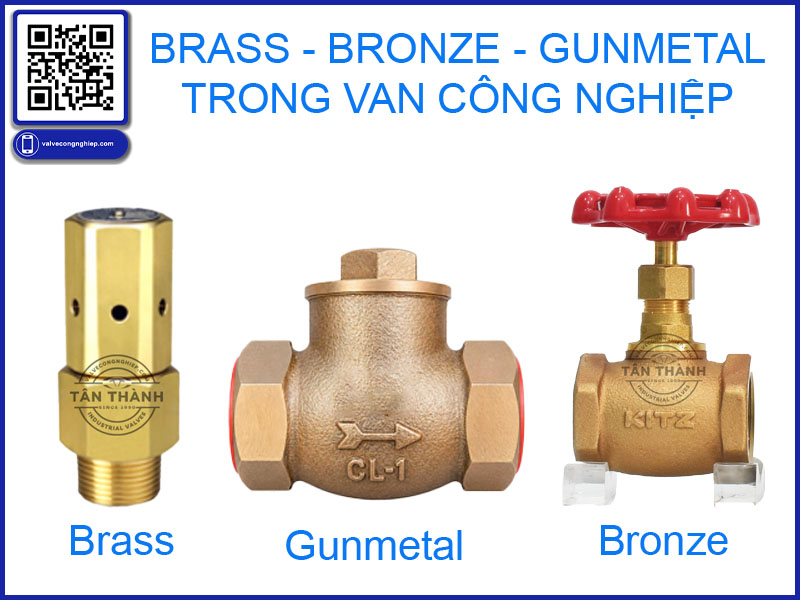
- Brass: Is a copper-zinc alloy, often called brass.
- Bronze: Is a group of copper-based alloys, often containing tin or other alloying elements.
- Gunmetal: Is a group of copper alloys that often contain tin, zinc and other components according to each standard. Gunmetal is often classified in the Bronze alloy group, but the specific composition needs to be compared according to the material grade.
In fact, the name Gunmetal can appear on technical documents of valve bodies, accessories and industrial equipment. Therefore, Gunmetal should not be defaulted to Brass or red copper.
When reading valve catalogs, users should check material symbols, production standards and related certificates instead of just relying on the trade name.
Should you choose red copper, brass or Bronze?
There is no best material for all applications. The choice should be based on actual operating requirements.
| Use needs | Commonly considered materials |
|---|---|
| Conductors, bus bars | Copper |
| Heat exchangers | Copper or suitable copper alloy |
| Connectors, line fittings pipes | Brass |
| Bronze valves for suitable water systems | Brass or Bronze according to design |
| Liners, bearings | Bronze |
| Marine equipment | Some specialized Aluminum Bronze or Bronze grades application |
| Details need to be wear-resistant | Bronze suitable for load and working conditions |
For industrial valves, in addition to the valve body material, users need to pay attention to the material of the valve disc, valve stem, sealing gasket, connection type, pressure level and working temperature. In particular, it is necessary to check the compatibility between materials and fluids to limit corrosion, leakage or damage during operation.
Tan Thanh valves and knowledge of choosing industrial valve bronze materials
In industrial pipeline systems, valve materials directly affect durability, working ability and equipment life. Therefore, distinguishing between Copper, Brass and Bronze is necessary knowledge for technicians, designers and system operators.

When learning about copper valve lines, users can refer to popular types such as:
- Copper one-way valve: Supports to prevent backflow of fluid in the pipeline.
- Copper globe valve: Regulates and opens and closes the fluid flow according to design.
- Copper safety valve: Protects the system against pressure exceeding the set threshold placed.
- Copper gate valve: Closes or opens the flow in the pipeline.
- Copper ball valve: Quickly opens and closes thanks to the rotating ball mechanism.
- Copper pressure reducing valve: Adjusts the output pressure according to design requirements.
Related information Contact:
CÔNG TY TNHH TM THIẾT BỊ CÔNG NGHIỆP TÂN THÀNHSố 1 Đông Hồ, phường Tân Hòa, TP.HCM, Việt Namhttps://valvecongnghiep.com/
Each valve line can use different materials depending on the manufacturer, standards and intended use. Therefore, it should not be assumed that all valves are made from the same alloy. Tan Thanh Valve shares knowledge about industrial valve materials and equipment to help readers better understand technical characteristics, distinctions and factors to consider when choosing valves for the system.
Frequently asked questions about copper, brass and Bronze

Is red bronze Bronze?
No. Red copper is often called Copper, which is highly pure copper. Meanwhile, Bronze is a group of copper-based alloys, often combined with tin or other alloying elements.
Is Brass Brass?
Correct. Brass, whose English name is Brass, is an alloy mainly of copper (Cu) and zinc (Zn). Because of its characteristic yellow color, brass is also called golden bronze.
Is Bronze bronze?
Bronze is a popular type of Bronze, made up of copper and tin. However, Bronze is the name of a whole group of copper alloys, including many other lines such as Aluminum Bronze and Silicon Bronze.
Which type of brass or Bronze is harder?
It is impossible to make an absolute conclusion without knowing the specific alloy grade. The hardness of Brass and Bronze depends on the composition, production method and state of material processing. Some types of Bronze have high hardness and abrasion resistance, while some types of Brass have advantages in machinability.
Which type of copper, brass or Bronze is more resistant to corrosion?
Corrosion resistance depends on each material grade and working environment. Some types of Bronze have very good corrosion resistance in seawater environments, while Brass and Copper also have good corrosion resistance under many common conditions. Need to choose according to fluid composition and actual operating parameters.
Is Gunmetal Bronze?
Gunmetal is often classified as a Bronze alloy, has a copper base and often contains tin, zinc and some other ingredients. However, the specific composition depends on the standards and grades of materials used.
Is copper or brass an alloy?
Brass is an alloy of copper and zinc. Ordinary red copper is high-purity copper, not classified with the Brass or Bronze alloy group according to popular classification.
Is brass yellow copper or red copper?
Brass is golden copper, has a metallic yellow color due to the copper component combined with zinc. Red copper is Copper, has a characteristic orange-red color.
Copper, Brass and Bronze are all important materials in mechanics and industry, but have clear differences in composition, color, hardness, electrical conductivity, corrosion resistance and scope of application. Copper stands out for its ability to conduct electricity and heat; Brass has the advantage of machinability and is commonly used in copper accessories and valves; while Bronze has many alloy lines suitable for applications that require good wear resistance and corrosion resistance. Correct understanding of the differences between Copper, Brass and Bronze helps technicians choose the appropriate material, improving the durability and operating efficiency of the system. Tan Thanh Valve We hope the article has provided useful information, helping you accurately distinguish common types of copper materials in the industrial valve industry.